When people hear the word validation during the franchise process, they often assume it means one thing: getting reassurance that they’re making the right decision. In reality, validation is much more practical and much more valuable than that.
Validation isn’t about hype or sales conversations. It’s about confirming that a franchise model is real, repeatable, and right for you.
Validation Is About Truth and Fit
At its core, franchise validation answers two important questions:
- Does this business actually work the way it’s described?
- Does it fit your goals, lifestyle, and expectations as an owner?
A strong validation process helps you look past the brand name or excitement of ownership and focus on what matters most: how the business runs day to day, how owners are supported, and how revenue is generated and sustained.
What You’re Really Validating
During validation, you’re not just checking boxes; you’re stress‑testing the opportunity. Key areas to evaluate include:
- The business model: Is there recurring, predictable revenue? Is demand consistent year‑round?
- Operational support: What systems are centralized versus owner‑managed?
- Daily operations: Staffing, routing, scheduling, customer communication.
- Unit economics: What drives revenue growth? What impacts margins?
- Ramp‑up reality: How long it takes to build density, routes, and stability?
A Simple Franchise Validation Checklist
A thoughtful validation process usually includes:
- Speaking with multiple franchise owners (new and established)
- Asking candid questions about ramp‑up time, staffing, marketing, and seasonality
- Reviewing the Franchise Disclosure Document (including Item 19, if available)
- Understanding how technology and systems support efficiency
- Evaluating how scalable the model is without increasing owner workload
When franchisors encourage these conversations and don’t shy away from tough questions—that’s a good sign.
What Validation Looks Like with Pet Butler
At Pet Butler, validation is designed to be transparent and practical. Prospective owners are encouraged to speak directly with existing franchisees and learn what ownership truly looks like, from early growth stages to long‑term scale. This aligns closely with the traits of a strong franchisor, including openness and franchisee accessibility.
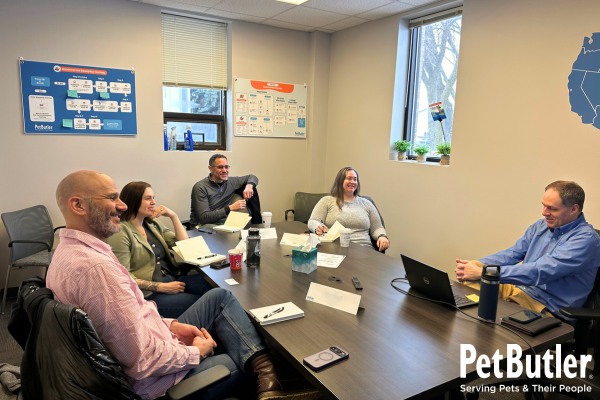
Discovery Day is another critical validation step. It gives candidates a real “day‑in‑the‑life” view: meeting the support team, touring the national contact center, and seeing how operations, marketing, and technology work together.
The Pet Butler model itself also supports easier validation. With recurring, scheduled services and centralized customer support, owners can focus on leadership and growth instead of daily admin. That structure creates predictability and scalability: two things validation should always confirm.
Common Validation Mistakes to Avoid
Some of the most common missteps include:
- Only talking to top‑performing owners
- Confusing excitement with readiness
- Underestimating staffing and operational rhythms
- Skipping questions about marketing consistency and support
Good validation removes surprises later.
Final Thought
Validation isn’t about being convinced, it’s about being informed. When done well, it builds confidence, aligns expectations, and helps you move forward with clarity.
If you’re exploring franchise ownership, validating the right way can make all the difference. To see how Pet Butler approaches validation and owner support, explore the franchise journey and learn what ownership really looks like.